September 2, 2026 · Modality
How to Promote an Event: 12 Tactics That Fill Seats
Filling seats is a system, not a lucky post. Here are 12 practical tactics to promote your event, from your own list to social proof and smart follow-up.
The fastest way to promote an event is to start with the audience you already own (past attendees, your email list, your followers) before you spend a dollar on ads. That group is warm, cheap to reach, and converts far better than strangers. Once you have squeezed every seat out of your own audience, you layer on social proof, partnerships, content, paid ads, reminders, and referrals in that order of return.
Below are 12 concrete event promotion ideas ranked roughly by ROI, each with a how-to you can act on today. We will keep two examples in view throughout: a small paid workshop and a large venue show. Use them as a checklist for your next event marketing strategy.
How do you promote an event using the audience you already own?
Your best channel is the one you do not have to rent. When you learn how to promote an event, the first three tactics all pull from people who already know you, which is why they top the list.
1. Email your existing list first
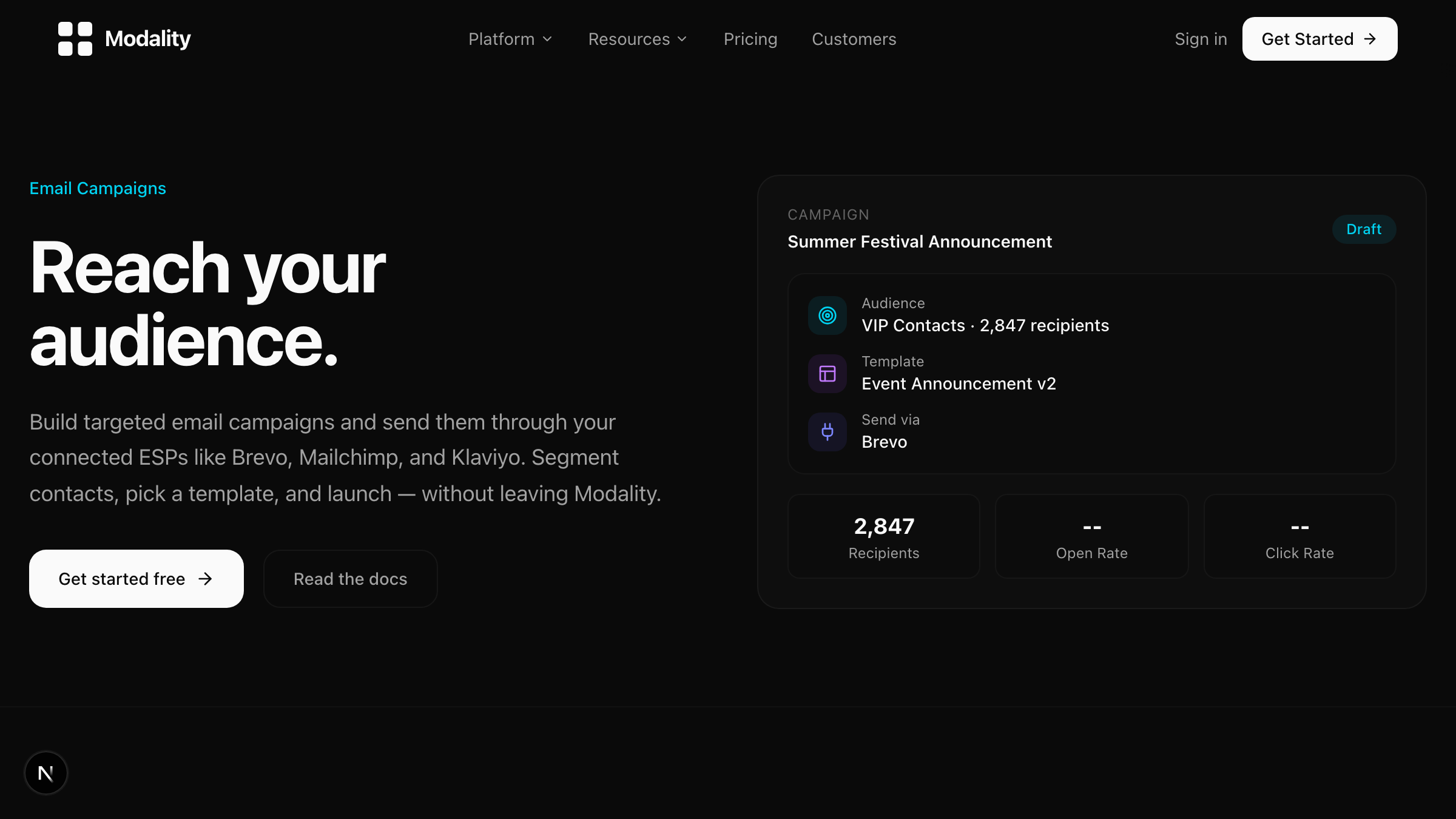
Send a launch email to your full list the day tickets go live, then a focused follow-up to non-openers with a different subject line. Segment if you can: past attendees of a similar event deserve a warmer, "you came last time" message. This single tactic often sells the first 30% of a room. Our guide to event email marketing covers the sequence in depth.
2. Run a presale to past attendees
Before you announce publicly, give past buyers a 48-hour head start with a code. It rewards loyalty, creates early momentum, and gives you a sales spike you can point to when you go wide. For the venue show, this can move hundreds of tickets before the general public even hears about it.
3. Post to your owned social channels
Your followers chose to hear from you, so tell them clearly and repeatedly. Announce, then post behind-the-scenes prep, lineup reveals, and countdowns. Do not assume one post reaches everyone; the algorithm buries most of them, so repetition is not spam, it is reach.
How does social proof help fill event seats?
People buy tickets to things other people are buying. Social proof turns quiet interest into action, and it is nearly free.
4. Show that seats are moving
Announce milestones: "half sold," "final 20 tickets," "VIP sold out." Scarcity and momentum are powerful, but only use real numbers. For the small workshop, "only 4 spots left" is genuinely persuasive because the cap is believable.
5. Feature testimonials and past-event proof
Collect quotes, photos, and short clips from previous events and put them everywhere: the event page, emails, and social. A photo of a packed room does more selling than any adjective. If it is a recurring event, a highlight reel from last time is your strongest asset.
How do partnerships and content extend your reach?
6. Co-promote with partners
Find people whose audience overlaps with yours but who are not competitors: a sponsor, a venue, other artists on the bill, a complementary local business. Give them a co-branded link or a promo code and let them share to their list. For the venue show, every act promoting to their own followers multiplies your reach at zero cost.
7. Build a simple content hook
Create one shareable piece tied to the event: a short video, a guest interview, a preview of what attendees will learn. Content gives people a reason to click and a reason to share that is not just "buy a ticket." For the workshop, a two-minute clip of the instructor teaching one useful tip sells the whole session.
8. Get listed where your audience looks
Add the event to relevant local calendars, community groups, and discovery surfaces. These bring in people who do not know you yet but are actively looking for something to do. Wondering where else to list beyond the obvious? Our roundup of Eventbrite alternatives explains the trade-offs of marketplace listings versus your own page.
When and how should you use paid ads?
9. Retarget people who already engaged
Paid does not mean spraying ads at cold strangers. The highest-return ads are retargeting: people who visited your event page but did not buy, or your existing followers. These audiences are cheap and convert well because they already know you. Start here before broadening.
10. Run tightly targeted cold ads (only if the math works)
For a large venue show, a small cold-audience campaign targeting fans of similar acts in your city can be worth it. Set a strict budget, track cost per ticket, and kill anything that is not profitable. For a small workshop, cold ads rarely pencil out, so put that money into the free and warm tactics instead. To know what is actually working, you need to track event ROI per channel.
How do reminders and referrals close the gap before the event?
11. Automate a reminder sequence
A huge share of sales happen in the final week, and a huge share of no-shows come from people who simply forgot. Set up an automated sequence: a "closing soon" push to non-buyers, then reminders to ticket holders a week out, the day before, and the morning of. With automations, you build this once and it runs every event. Reminders are the single easiest lift for both attendance and last-minute sales.
12. Turn attendees into promoters with referrals
Your buyers know other people who would love this. Give them an easy way to spread the word: a "bring a friend" discount, a shareable link, or a group-ticket tier. For the workshop, "get $10 off when a friend registers with your code" can quietly double signups. Referrals compound because each new attendee becomes a new promoter.
How do you run all 12 tactics without losing your mind?
The reason most organizers stop at "email once and post twice" is that juggling separate tools for tickets, contacts, email, ads, and reminders is exhausting. The fix is to run promotion from the same place your tickets and audience live.
With Modality, your event page, ticket sales, CRM, and multi-channel campaigns sit in one system. Every buyer becomes a contact, so your presale list, your retargeting audience, and your reminder sequence all draw from the same data automatically. You launch email, SMS, and social from one place, target by tag or segment, and let automations handle the timing. That is how a solo organizer can execute an event marketing strategy that normally takes a team.
And do not stop when the doors close. A strong post-event follow-up turns first-time attendees into the warm audience that fills your next event, which is exactly how tactic one gets easier every single time.
Frequently asked questions
What is the cheapest way to promote an event?
Emailing the audience you already own and posting to your existing followers. Both are essentially free and convert far better than paid ads because the audience already knows and trusts you. Exhaust these before spending on promotion.
How far in advance should I start promoting?
For a small paid workshop, three to four weeks is usually enough. For a large venue show, start six to eight weeks out with a presale, then build momentum with reveals, partnerships, and reminders as the date approaches.
Do paid ads actually work for events?
They can, but retargeting warm audiences beats cold ads almost every time. Reserve cold advertising for larger events where the cost per ticket clearly works, and always track results so you can cut what is not profitable.
How do I stop people from forgetting to show up?
Automated reminders. A sequence a week out, the day before, and the morning of sharply reduces no-shows. Build it once with automations and reuse it for every event.
Want to run all 12 tactics from one place, with your tickets, audience, and campaigns connected? Start free with Modality and turn your next event into a sold-out room.
Run it all in one place
Modality brings your CRM, ticketing, forms, payments, and marketing together, with AI that sets it up for you.
Start free